Release time: 2026-02-12 14:13
ADDICTION
Psychedelics, Plasticity, and Addicted Brains
Mark S. Gold M.D. on February 11, 2026 in Addiction Outlook
In the future, psychedelics may be used to treat addictions because they can shake up the brain. Along with therapy, addictions may become faster and easier to treat.
KEY POINTS
Psychedelics are being tested on addictions because they can disrupt/reshape brain networks.
Addiction is a disorder of fixation, repetition, and “stuck” neural networks.
Psilocybin is the most-abused psychedelic substance; approximately 11 million U.S. adults abused it last year.
Have you ever been trapped in your car in mud or snow, and couldn’t leave until someone pulled you out? Researchers have discovered a psychedelic may act like the huge truck pulling your car (or mind) from that rut it’s mired in.
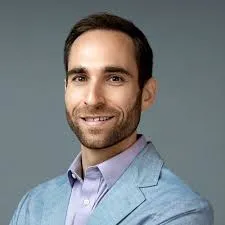 Psychedelics may become future addiction treatments. A study in 2026 by Joshua Siegel, a world expert on psychedelics in psychiatry, reveals insights, reservations, and future hopes for treating addictions with psychedelics.
Could substances once dismissed as countercultural relics loosen addiction’s grip? This isn’t as radical a question as it once seemed. Siegel and colleagues’ comprehensive review of psychedelic medicine indicates addiction is not only a behavioral problem, but also a disorder of entrenched neural networks. These may be networks psychedelics are uniquely capable of disrupting and reshaping. Successful treatments must do more than suppress withdrawal symptoms—they help the brain relearn healthier patterns of motivation and behavior.
Psychedelics as treatment for addictions remains a work-in-progress. Unfortunately, many people are taking these drugs on their own. According to a Rand Survey, psilocybin has a past-year abuse prevalence of 4.26 percent, or approximately 11 million U.S. adults, followed by MDMA/MDA at 1.81 percent, or 4.7 million adults.
Siegel and others see addiction as an out-of-control disease. Long after the initial pleasure fades, the brain compels the addicted person to continue to use substances. Patterns of craving, habit, and relapse persist, seemingly imprinted in the brain. Traditional treatments—detoxification, medication-assisted treatments (MATs), counseling, and relapse prevention—may work for weeks or months, but addiction is relentless, and relapse rates are high. Against this backdrop, renewed scientific interest in psychedelics has generated both optimism and doubt.
Siegel’s review emphasizes that healthy brain function depends on a balance between stability and adaptability. Stability enables new habit formation. Adaptability permits revising habits if they are harmful. But with addiction, the balance tilts too far toward the stability of continued drug-taking, despite leading to lost health, friends, family, and employment. Neural networks in addictions become ultra-focused, and seeking/taking drugs looms large.
A Brief History: LSD to Psilocybin
The idea that psychedelics could treat addiction isn’t new. Research on LSD-assisted therapy for alcoholism began in the 1950s and 1960s. Psychedelics may target shared mechanisms underlying addiction rather than substance-specific pathways.
Modern trials provide greater rigor. One trial showed two psilocybin sessions with psychotherapy significantly reduced heavy drinking in individuals with alcohol use disorder (AUD). In contrast, a smaller study of recently detoxified individuals found no significant effect of a single psilocybin dose on relapse timing. These findings stress that psychedelics are not interchangeable, and outcomes depend on dose, timing, patient population, and therapeutic context.
Neuroplasticity of Psychedelics
What distinguishes psychedelics has to do with neuroplasticity—the brain’s capacity to reorganize itself. As described by Siegel and colleagues, psychedelics acutely disrupt synchronized brain activity, temporarily destabilizing rigid networks and opening a window when new patterns may emerge. This is followed by a period of enhanced neural growth and flexibility lasting weeks. This matters with addiction because learning lies at the core of the disorder: drugs hijack learning systems, teaching the brain to value substances above all. Psychedelics may reopen maladaptive learning circuits.
Psychedelics are “pattern interrupters,” briefly quieting habitual brain loops, letting individuals see addiction with new perspectives. However, interruption alone is insufficient. Without guidance/therapy, insight fades.
Psychedelics are best understood as catalysts, not cures. In at least one study of AUD, psychedelics and psychotherapy each independently improved outcomes, suggesting a synergistic relationship increasing patients’ capacity for engagement.
One unresolved challenge is the near-impossibility of “blinding” subjects to whether they took a study drug or placebo. Test subjects of psychedelics know they received the active drug. If you’re experiencing hallucinations, you did not take the placebo.
While evidence for psilocybin in treating depression, PTSD, anxiety, and end-of-life care progresses, evidence for psychedelics in treating addiction is thin. A 2025 review found only one double-blind clinical trial among 16 published studies on psilocybin for substance use disorders.
The single largest clinical trial for alcohol use disorder (n=95) showed psilocybin reduced heavy drinking days compared to placebo. Still, a key problem was the inability to maintain blinding. Participants could easily distinguish psilocybin from placebo, likely introducing substantial expectancy bias; those receiving the test drug assumed it worked.
Perhaps the most important contribution of psychedelic research to addiction studies is conceptual. Psychedelics challenge the idea that treatment must be biological (medication) or psychological (therapy). They also challenge the idea that treatment must be lifelong. When psychedelics work, they work fast and shake things up. They highlight the dynamic connection between brain, experience, and environment. I expect great things from psychedelics once experts resolve current problems.
The largest controlled trial of LSD microdosing for depression failed in 2026, according to MindBio Therapeutics. This trial of 89 patients found microdosing LSD did not significantly improve major depressive disorder symptoms versus placebo. Note: it’s important to distinguish microdosing from high-dose, psychedelic-assisted therapy (such as a 25mg dose of psilocybin), which has shown promise treating treatment-resistant depression in Phase 3 trials.
Adverse Reactions
Large modern trials conducted under clinical supervision reported no deaths or psychosis-related hospitalizations attributable to psilocybin or LSD, and these substances have low addiction potential. However, adverse reactions sometimes occur, such as anxiety, psychological distress, and transient confusion. Rare cases of increased suicidal ideation following high-dose psilocybin have been reported, indicating need for careful screening/follow-up.
Considering Ibogaine
Ibogaine is a psychedelic illustrating both the promise and perils of psychedelic approaches to addiction. Long-used outside conventional medicine to treat opioid dependence, ibogaine may reduce withdrawal and craving. Research by Deborah Mash and later Nolan Williams clarified ibogaine’s mechanisms of therapeutic action as well as its potential cardiac toxicity. Ibogaine carries arrhythmia risk, and its safety profile remains incompatible with routine clinical use.
Ibogaine is still being researched. The Texas Legislature ordered a request for proposals to conduct ibogaine clinical trials and selected UTHealth Houston as lead institution to receive FDA approval to conduct trials.
The Dark Side
Data indicate that the abuse of psychedelics among relatively rare emergency department (ED) visits and poison control calls is increasing in the United States. Psilocybin-related calls to poison centers rose 201% for adults and 317% for teens between 2019-2023. A 2024 study in JAMA Psychiatry found individuals with an ED visit involving psychedelics had higher risks of developing schizophrenia spectrum disorder (6.3%) compared to risks in the general population (0.15%). Many people seeking emergency care for psychedelic use have pre-existing mental health or other substance use disorders. These negative outcomes may poison the well for psychedelics, as in the past.
Approximately 10 million U.S. adults microdosed psilocybin, LSD, or MDMA in the past year. Microdosing is apparently popular in the self-administration world.
Conclusion
Animal and human studies indicate low addiction risks for psychedelics like psilocybin and LSD. Risks include hallucinogen use disorder, psychological dependence, anxiety, panic attacks, and psychosis. By temporarily increasing neural flexibility, psychedelics may offer a rare opportunity to interrupt compulsive loops imposing continued addiction. Evidence from alcohol, nicotine, and other substance disorder studies suggests future potential for psychedelics—but clear limitations.
Psychedelics are powerful neurobiological tools whose effects depend on context, care, and integration. As Siegel and colleagues emphasize, the future of psychedelic medicine depends on rigorous science with ethical responsibility.

Mark S. Gold, M.D., is a pioneering researcher, professor, and chairman of psychiatry at Yale, the University of Florida, and Washington University in St Louis.
Psychology today